Custom AI livestream digital-human agents
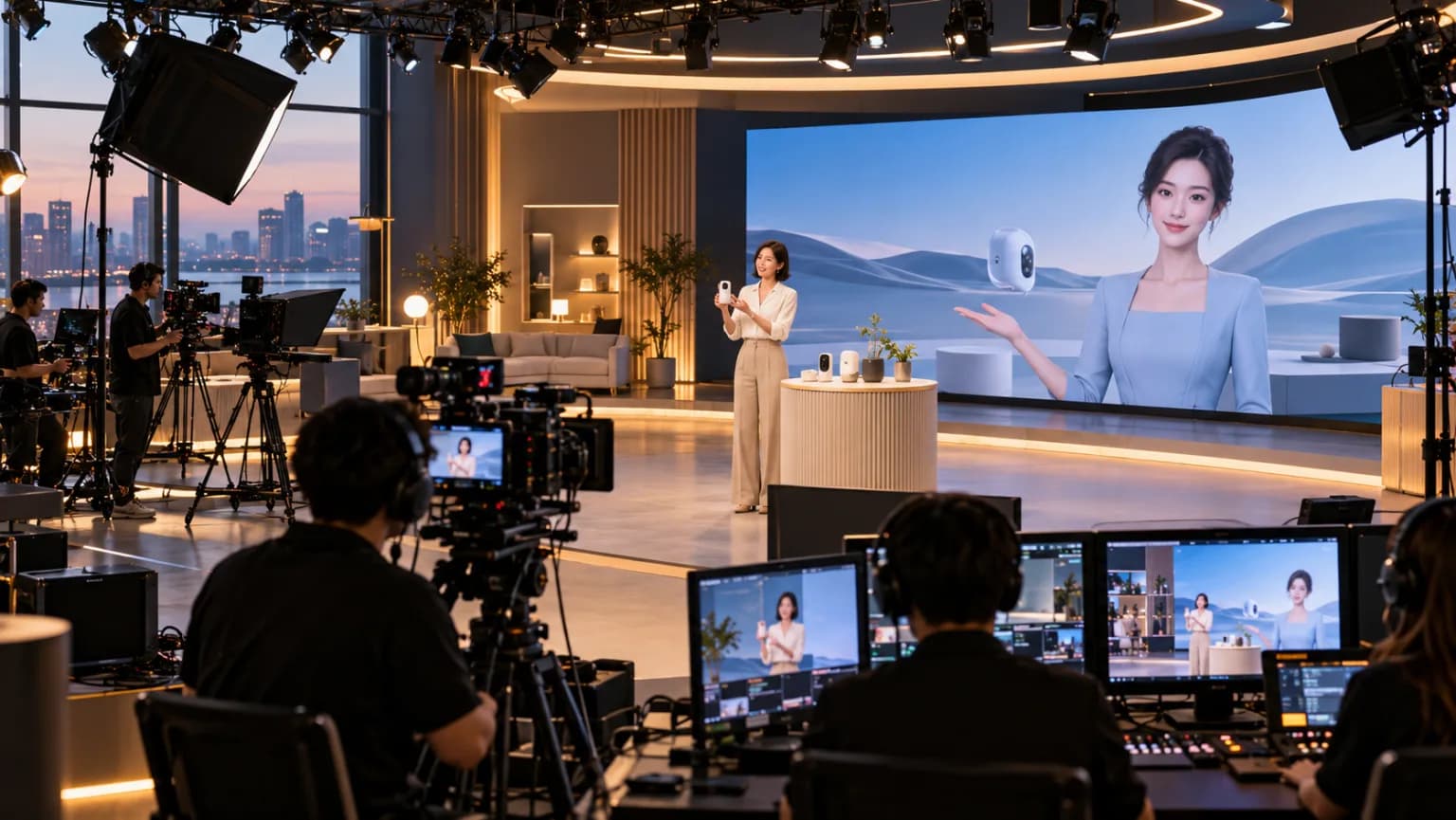
We build custom AI livestream digital-human agents with your brand’s look, voice, knowledge and live behavior. Where authorized, allowed by the platform and proven in testing, the agent can handle most routine presenting and Q&A, with people supervising and ready to take over.
Service scope
One team from planning, look and voice to agent and knowledge-base development, system integration, deployment, training and ongoing tuning, with testable acceptance. End-to-end overseas livestreaming is one main application.
Likeness and voice need the person’s authorization; the digital human’s identity and live versus prerecorded status are labeled separately, and the delivery plan designs a human takeover point and a fallback plan for every stage, with people confirming key decisions.
The scenes below are plans and concepts, not delivered customer cases, and do not represent any customer result.
What can be customized
- Appearance, hair, makeup, wardrobe and set
- Look, hair and makeup, wardrobe, accessories and studio background follow your brand and are approved by you; using a real person’s likeness needs written authorization.
- Authorized voice, timbre, pace and languages
- An authorized voice or a synthetic timbre is used, with pace, pauses and languages adjustable; each language is listened to and accepted separately.
- Persona and style
- Name, tone, catchphrases and banned wording follow your brand so explanations stay consistent and never overstate the product.
- Brand and product knowledge
- Product material, specifications, promotion rules and FAQs go into the knowledge base; answers need a source, and with none the question goes to a person.
- Tool behavior and tasks
- Scheduling, captioning, product-list and similar tools are assessed for connection under your authorization, with clear rules on what the agent may and may not do; unauthorized tools are not connected.
- Human takeover permissions
- You set who can edit, pause, take over or end the stream, which situations must go to a person, and every action is logged.
Live tasks the agent can run
Within what is authorized, allowed by the platform and verified in testing, most routine live segments can be handed to the agent. The exact scope follows the plan and acceptance results; it is not a promise of round-the-clock unattended streaming or of default platform support.
- Scheduling and start/stop control
- Where the platform’s interface allows it, sessions are prepared on schedule and starting and ending the stream is controlled; otherwise a person does it.
- Product rotation walkthroughs
- Products are presented in turn from the product list and scripts, with selling points, specifications and promotion notes kept consistent and banned claims respected.
- Live Q&A and topic transitions
- Viewer questions are answered from the knowledge base, followed by a natural lead into the next product or topic; out-of-scope questions go to a person.
- Multilingual captions
- Multilingual captions are generated in sync, a glossary keeps brand terms and specifications consistent, and people spot-check the output.
- Inquiry guidance and consented lead notes
- Viewers are guided to compliant inquiry channels; contact details and needs are noted only with the viewer’s consent and passed to a person to follow up.
- Asset reuse and review
- Authorized replays become clips, a Q&A library and a review report that feed the next session’s scripts and knowledge base, without overstating results.
Human oversight and limits
The agent does not unconditionally replace everyone. The items below have clear human limits and are rehearsed during acceptance.
Engineering capabilities
Per project we select a large language model (LLM), retrieval knowledge bases, speech recognition (ASR), speech synthesis (TTS), digital-human rendering and lip-sync, live orchestration, audio-video streaming, permissions and storage, and observability and testing. Components are assessed for licensing, latency, language and budget; model and API costs are agreed per project, and this is not a fixed certified list.
- Authorized capture and avatar
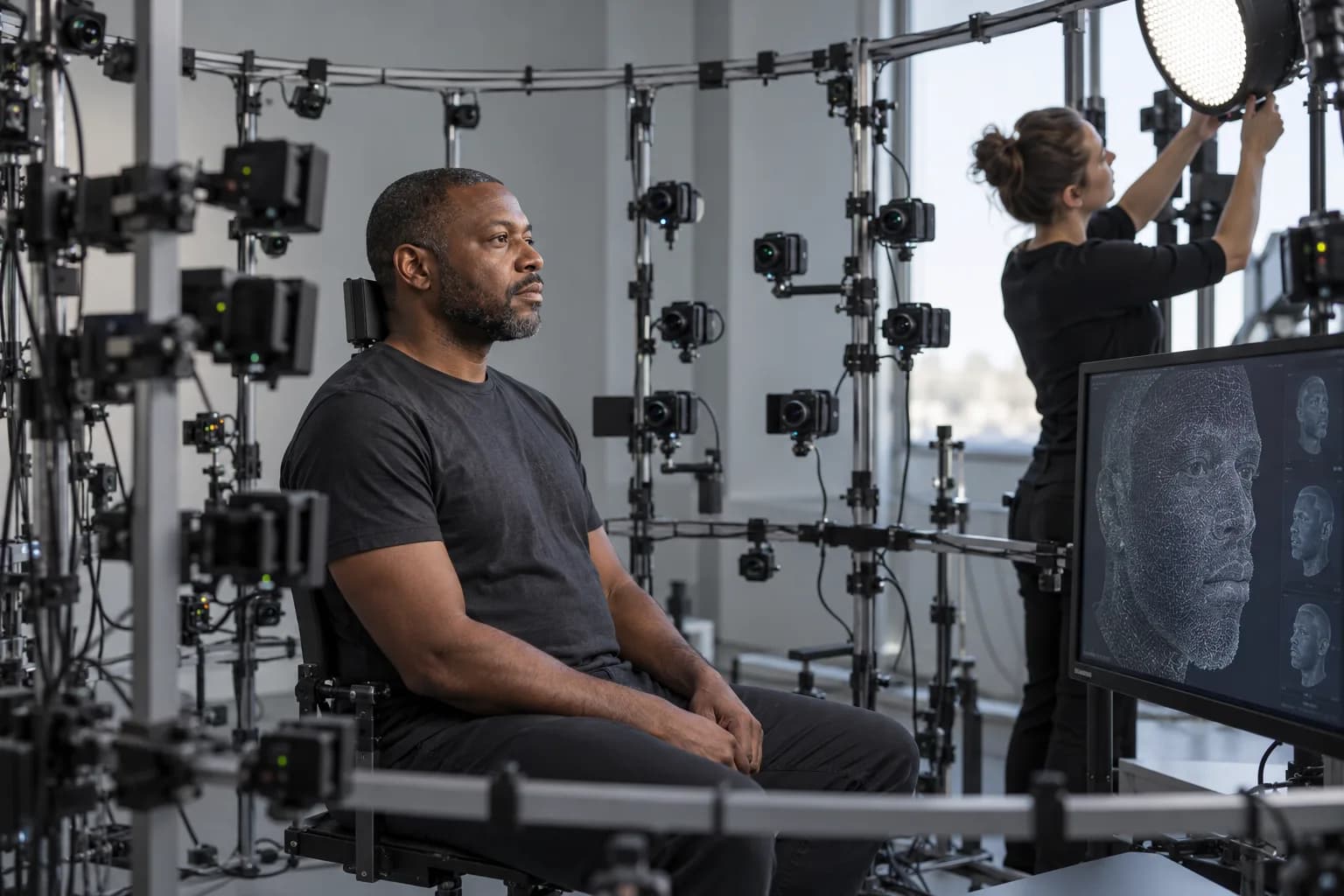
- We record the scope, term, purpose and withdrawal method of consent before collecting photos, video and audio. Style, wardrobe and background are confirmed by you, and assets are stored separately per project.
- Speech recognition and captions
- ASR produces script and caption drafts that are then refined with glossaries and human proofreading. Accents, noise and specialist terms are tested per language; latency and accuracy are judged by measurement.
- Speech synthesis and lip-sync
- TTS and lip-sync drive multilingual narration. Authorized voices are used only for the agreed purpose; pace, pauses and mouth movement are reviewed language by language, and segments below the acceptance line are redone.
- LLM and product knowledge base
- Product material, FAQs and banned claims become a searchable knowledge base from which the LLM drafts explanations and answers. Each answer traces back to a source; when none is found or confidence is low, the agent does not guess and hands off to a person.
- Agent orchestration and permission control
- A state machine manages sessions, segments, captions and cameras, and limits which tools the agent may call and which actions it may take; operators can switch, pause or stop manually. Every switch records time, operator and reason for review and troubleshooting.
- Audio, video and streaming
- Covers capture, mixing, encoding, latency monitoring and stream settings configured to what each target platform supports. Before launch a test stream checks picture quality, loudness, caption placement and reconnection.
- Permissions and storage
- Roles separate access to assets, scripts, publishing and direction. Likeness and voice files are encrypted with a retention period. Platform accounts use authorized roles; customer passwords are never stored.
- Observability and testing
- We watch latency, dropped frames, loudness, caption errors and API failures, and log incidents with how they were handled. Before launch we run rehearsals plus network-loss, mute and avatar-failure drills, and keep the test records.
From authorization to review
1 Brief and authorization review
Input: product, target country and language, broadcast time, platform access, and likeness and voice consent status. Output: scope note, risk list and consent gaps. Acceptance: both sides confirm scope, and missing consent is fixed before production.
2 Capture and character build
Input: consent documents, footage and recordings, brand style requirements. Output: digital-human character, voice model or an alternative, sample clips. Acceptance: you approve likeness and style, and assets are kept within the consent scope.
3 Script and localization
Input: product material, glossary, banned claims, target-market habits. Output: per-language scripts, captions and answer cards. Acceptance: native-speaker review, with price, certification and refund wording sourced and confirmed by a person.
4 Integration and configuration
Input: approved scripts, character, persona settings, knowledge base and component shortlist. Output: configured and integrated LLM, ASR, TTS, knowledge base, agent orchestration, streaming and permissions, including permitted actions and takeover rules. Acceptance: interfaces connect, role-based access is tested, and secrets never appear in handover documents.
5 Scheduling and rehearsal
Input: broadcast schedule, role sheet, fallback plan and a set of test questions. Output: rehearsal record, issue list and revised run of show. Acceptance: one full rehearsal covering direction, streaming and captions, sensitive, unfamiliar and pricing questions that test the agent’s answer limits and handoff to a person, plus network-loss, mute and avatar-failure switching drills.
6 Live operation and incident handling
Input: the rehearsed run of show and the on-duty roster. Output: direction records, alerts and switch logs. Acceptance: live and prerecorded labels are correct, the human takeover point works, incidents follow the plan, and time and cause are logged.
7 Clips, review and handover
Input: authorized replay, captions, Q&A and incident logs. Output: clips, review report, operation manual, acceptance report and training. Acceptance: item-by-item sign-off against the agreed list, with open issues and next steps written into the report.

Three ways to work together
This page describes service plans and capability scope; it does not mean every capability is in mass production or has customer track records. We do not promise traffic, sales, platform approval or around-the-clock unattended streaming. Digital-human content must be labeled under platform rules, and likeness and voice need authorization. Handing most routine streaming to the agent is a delivery goal that must be authorized, allowed by the platform and verified in testing; it does not mean any platform already supports it or that no human supervision is needed.
Agent-hosted live (main mode)
The digital-human agent hosts routine live sessions on schedule: product walkthroughs, live Q&A, topic transitions and multilingual captions, driven by an LLM, a product knowledge base, voice and lip-sync. Likeness and voice need the person’s written authorization; the screen says “AI digital human” and separates prerecorded from live. Real-time interaction needs separate checks of latency and answer limits.
Human supervision and key decisions
Operators watch the monitoring panel and can edit, pause or take over at any time. Anything on price, discounts, refunds, contracts, certification or compliance is approved by a person before a reply; when the agent meets a sensitive, unfamiliar or low-confidence question it hands off instead of guessing.
Human or hybrid live (optional)
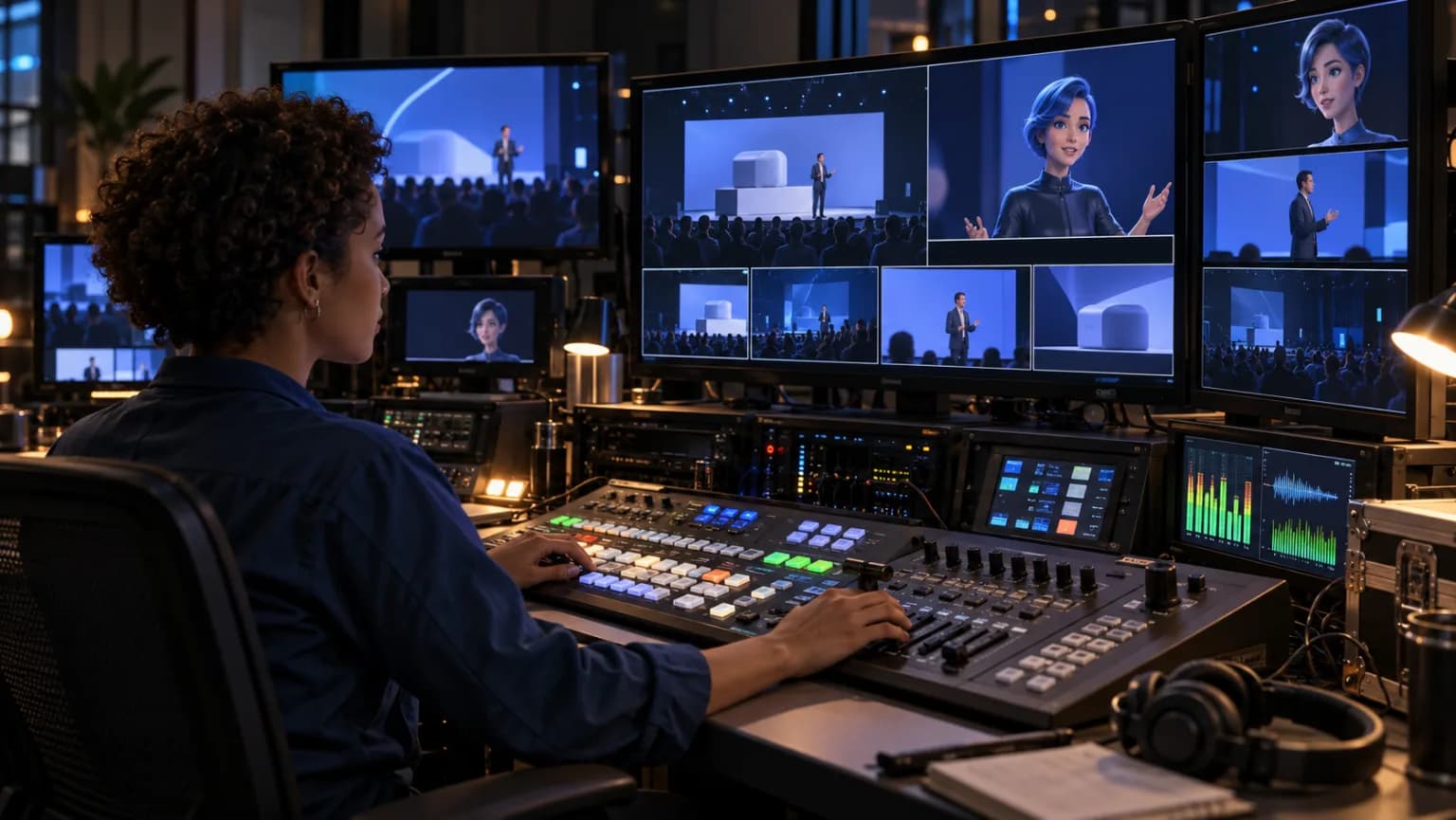
When a real host should appear, human hosts, digital-human segments, product visuals and captions are scheduled from one control desk and run to a rehearsed rundown. If the network, audio or avatar fails, the team can cut to a prerecorded segment, a backup scene or a human takeover. This is optional and does not assume all-day automatic streaming.

What we deliver
Scripts and asset pack
Per-language scripts, caption files, glossary, answer cards and authorized character and voice assets, with notes on permitted use and retention period.
Configuration and source scope
Configuration files, the agent’s persona and behavior rules, a permission matrix, orchestration and integration code, deployment notes and a dependency list within the agreed scope. Third-party components follow their own licenses, the source scope is set by contract, and no secrets are included.
Operation manual
Covers pre-show checks, direction steps, human takeover, fallback switching, ending the stream and data retention, with roles and a contact list.
Acceptance report
Records consent checks, script and caption review, lip-sync and sync tests, rehearsal and fallback drill results, and lists open items and risks, without unverified performance figures.
Team training
Training for hosts, directors and operators on script updates, caption proofreading, labeling rules, consent management, incident handling and review methods, with a practice checklist.

Frequently asked questions
Is a digital human the same as a real person?
No. A digital human is an AI-generated or AI-driven character and must not be presented as a real person, employee or customer. Plans keep a clear label, and the character is never used to impersonate anyone.
How do you tell live from prerecorded?
Every segment is marked live or prerecorded in the run of show, and viewers are told on screen or by voice as the platform requires. Real-time interaction is tested separately for latency, answer scope and human takeover.
How are likeness and voice authorized?
We need the person’s written consent stating purpose, scope, term, region and how to withdraw. Likeness or voice without consent is not captured, trained on or used. Specific legal requirements should be confirmed by your counsel under local rules.
Will platforms allow digital-human streams?
Platforms differ on AI-generated content, disclosure labels and live formats, and they change their rules. We assess against current rules and prepare a self-check list, but cannot guarantee approval; the platform decides.
How are price and timeline set?
The plan depends on the number of languages, character fidelity, broadcast sessions, direction and integration scope, and training needs. Price and timeline are given in writing after requirements are confirmed; this page lists no fixed price or standard duration.
What are the limits on customer data?
We use only material provided and authorized for the project, never ask for account passwords, and do not handle customer personal data unrelated to it. Assets, scripts and replays are separated per project and kept or deleted after handover as agreed.
Can you guarantee traffic or sales?
No. Views, conversion and sales depend on product, price, assortment, platform recommendation and market conditions. We deliver content, process and engineering, and offer improvement advice after review, without promising specific results or round-the-clock unattended operation. Handing most routine streaming to the agent is a delivery goal after authorization, platform permission and testing, not a guarantee.
This page describes service plans and capability scope; it does not mean every capability is in mass production or has customer track records. We do not promise traffic, sales, platform approval or around-the-clock unattended streaming. Digital-human content must be labeled under platform rules, and likeness and voice need authorization. Handing most routine streaming to the agent is a delivery goal that must be authorized, allowed by the platform and verified in testing; it does not mean any platform already supports it or that no human supervision is needed.
Official references
Discuss a custom livestream digital-human agent
When you reach out, tell us the product or service, target country and language, which tasks the agent should take on and which decisions must stay with people, planned broadcast time, existing platform accounts and the access you can authorize. Never send passwords, verification codes or customer personal data; account collaboration uses the platform’s own authorized roles.
Discuss a custom livestream digital-human agent