Skip to content
LOCAL AI DEPLOYMENT

Edge Compute andLocal AI Deployment

Deploy model runtimes, private knowledge bases, local agents, and edge terminals inside controlled environments for low-latency, low-cloud-dependency, and long-term operable AI systems.

Local AI Deployment
Edge compute nodes
Node sizing / Compute review / Interface fit
Private knowledge base
Document governance / RAG / Access isolation
Local agent service
Task flow / Tool use / Human review
Private
Data boundary

Keep knowledge and sensitive workflows local

Edge
Real-time inference

Lower latency and steadier local response

Agent
Local agents

Task orchestration and controlled tool use

Ops
Continuous O&M

Versions, logs, policies, and support

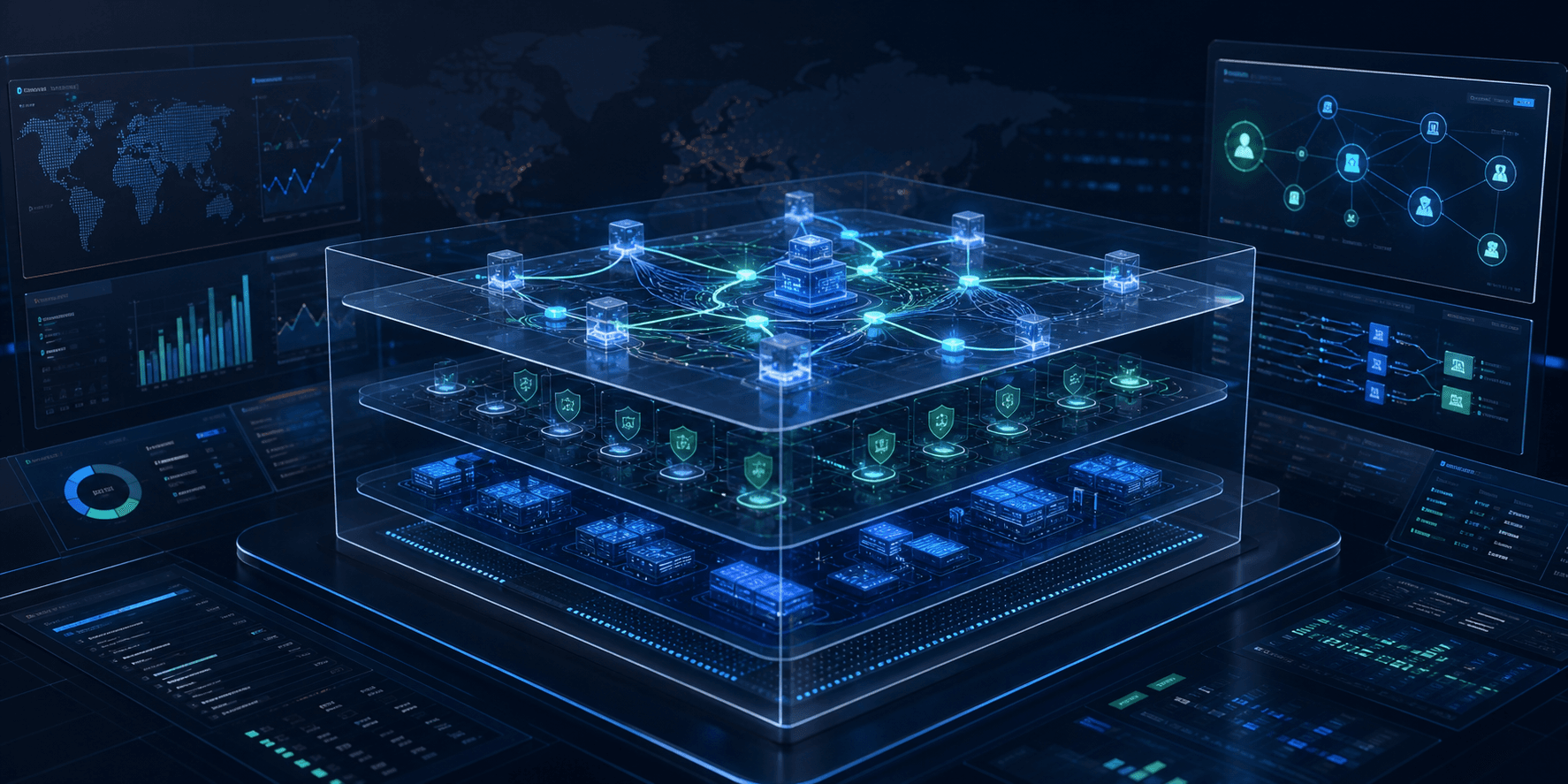
A local AI loop from model runtime to business execution

This is not just installing a model. It combines compute nodes, runtimes, knowledge bases, agent workflows, access control, and operations into a verifiable system.

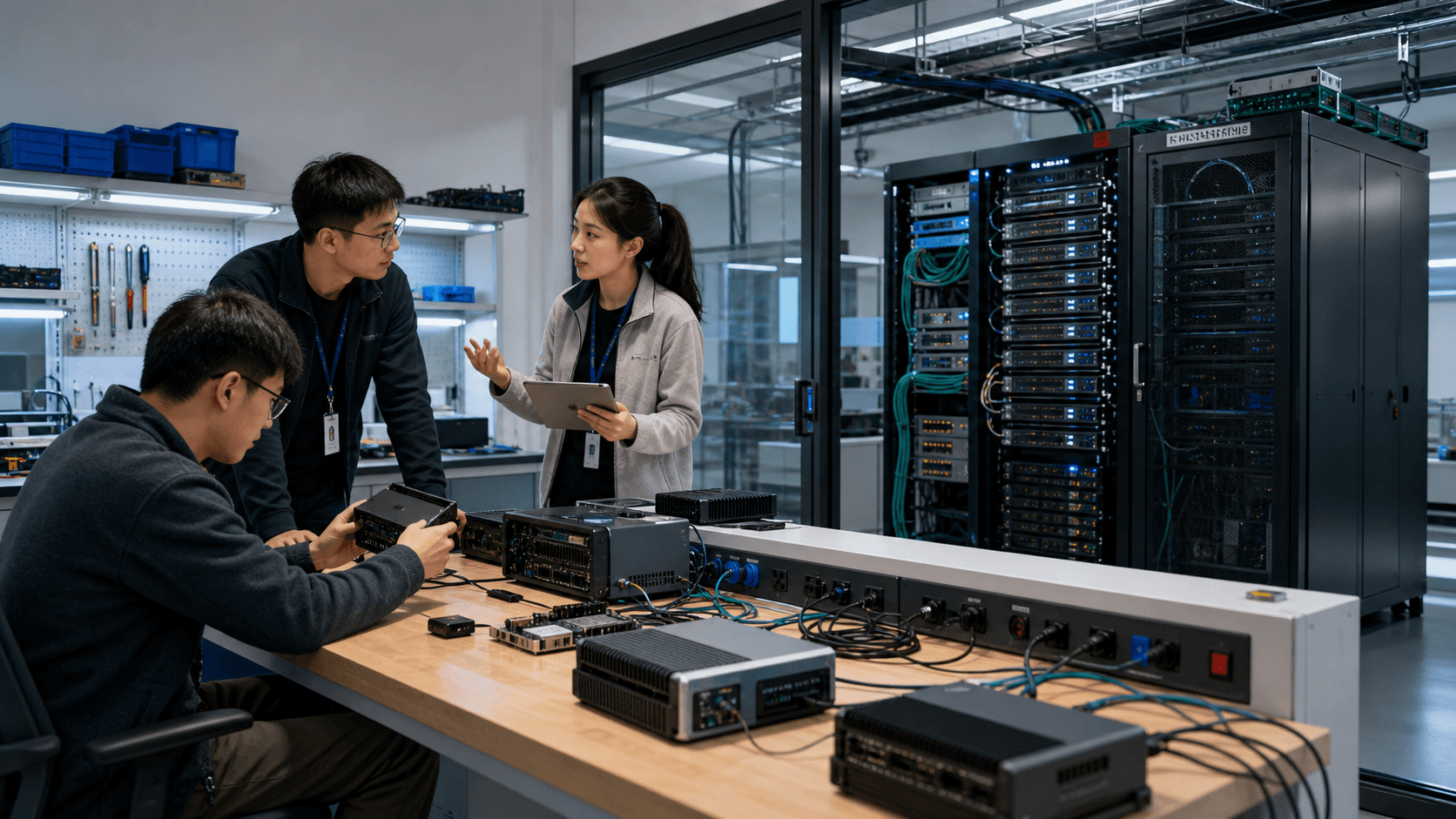
Edge compute nodes

Select terminals, edge boxes, or GPU micro-nodes for inference, preprocessing, and local caching.

Node sizing
Compute review
Interface fit

Private knowledge base

Structure company documents, manuals, rules, and project data into governed knowledge assets.

Document governance
RAG
Access isolation

Local agent service

Configure tools, task flows, operation records, and human confirmation points around actual workflows.

Task flow
Tool use
Human review

Secure operations

Manage model versions, node health, access policies, audit logs, and remote diagnostics.

Versioning
Audit logs
Diagnostics

High-value local intelligence scenarios

Local AI is best suited for scenarios requiring fast response, clear data boundaries, and continuous operation.

Private enterprise assistant

Private enterprise assistant

Authorized retrieval, Q&A, and workflow support for contracts, product docs, manuals, and policies.

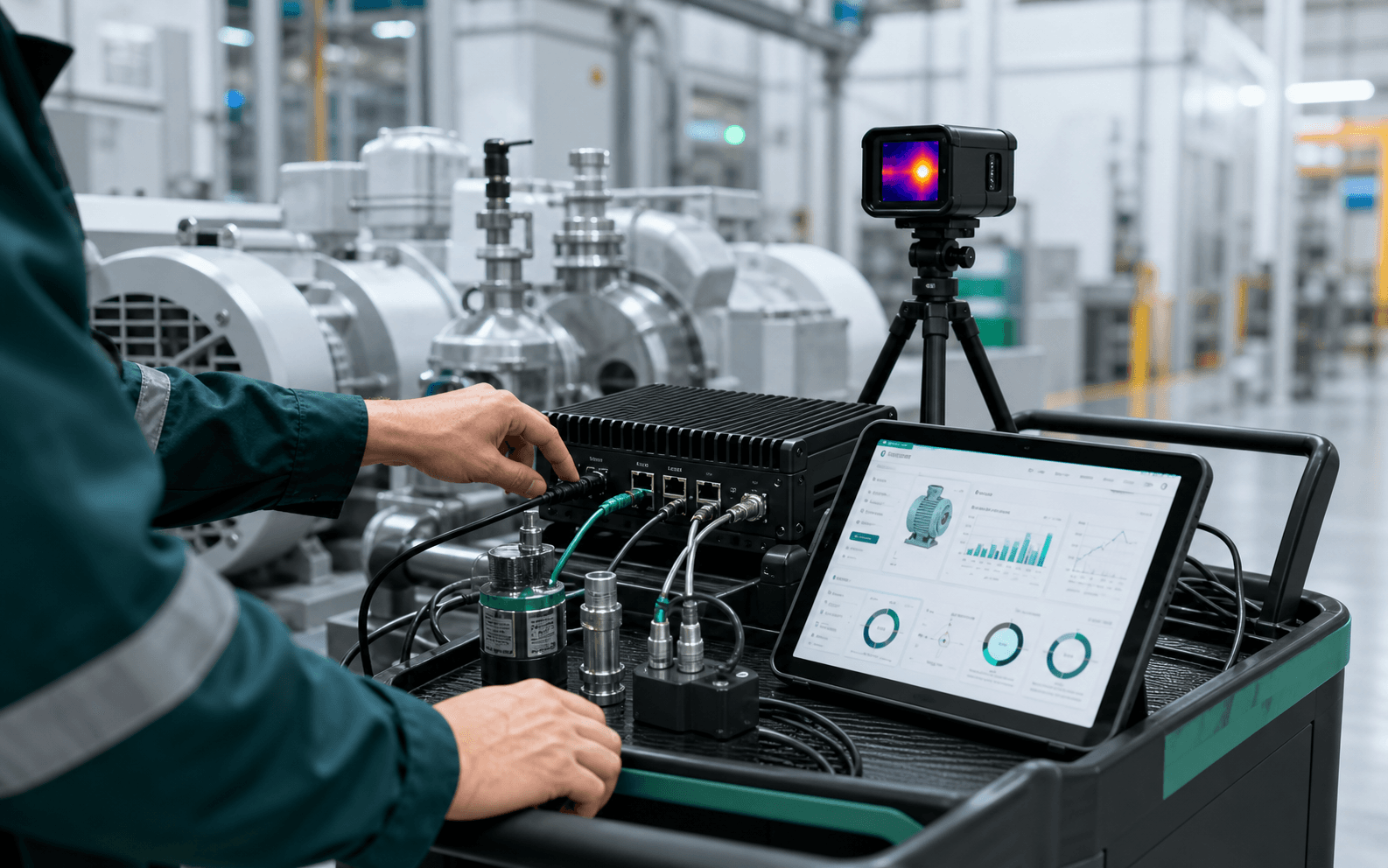
On-site device diagnostics

On-site device diagnostics

Use edge terminals and fault knowledge bases for local diagnosis, records, and service tickets.

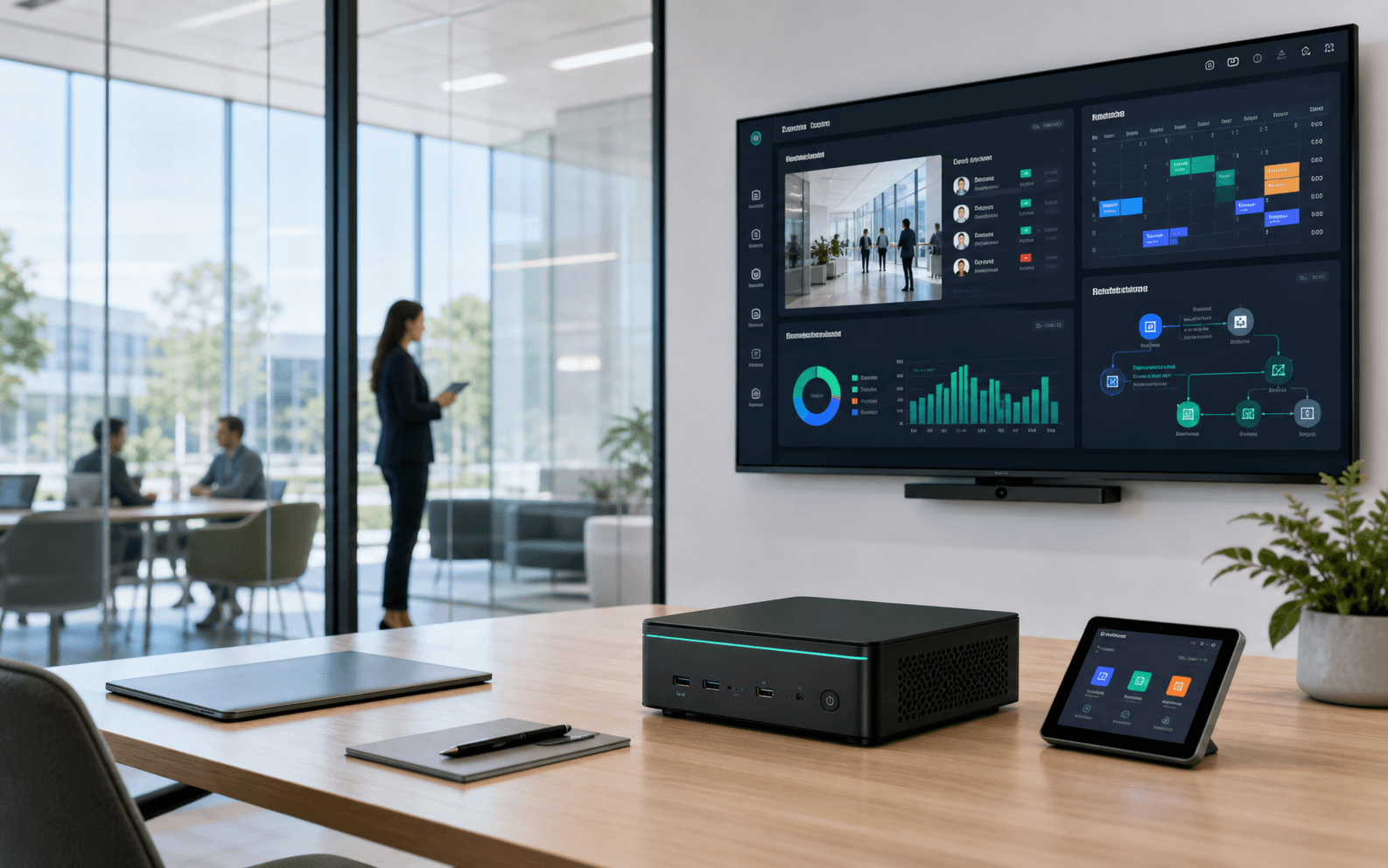
Office and campus agents

Office and campus agents

Connect visitors, meetings, devices, energy, and approvals into local agent workflows.

DELIVERY PATH

Deployment path

Start with a runnable pilot, then make it controlled and operable.

Deployment path
01

Scenario and data boundary

Clarify goals, data sources, permissions, deployment environment, and acceptance metrics.

02

Node and model design

Define hardware, model versions, knowledge structure, agent toolchain, and networking.

03

Pilot deployment

Run locally, connect knowledge, configure access, collect logs, and validate key flows.

04

Operations and rollout

Set up updates, monitoring, diagnostics, and repeatable multi-node deployment.

Deliverables

The delivery focuses on runnable, maintainable, and expandable local AI systems.

Deployment plan

Node specs, network topology, runtime environment, and hardware selection.

Knowledge and agent prototype

Knowledge ingestion, retrieval augmentation, task flows, and tool calls.

Security policy

Roles, access boundaries, audit logs, and human confirmation rules.

Operations handover

Startup, update, troubleshooting, backup, and support documents.